A video production company manages the full process of creating professional video content, covering pre-production planning, the shoot itself, and post-production editing. Full-service companies handle this from concept through final delivery, rather than just operating a camera.
What Is a Video Production Company?
A video production company is a business that plans, films, and edits video content on behalf of clients, typically managing the project from initial concept through final delivery. This distinguishes a production company from a single freelance videographer, who may handle only part of that process.
Video production companies vary widely in size and structure, from small boutique teams of three or four people to larger full-service studios with dedicated directors, editors, and colourists on staff. The defining characteristic is not size but scope, whether the company manages the complete process or only one phase of it.
What Happens During Pre-Production?
Pre-production is the planning phase that takes place before any filming begins, and it typically covers concept development, scriptwriting, storyboarding, location scouting, casting, and scheduling. This phase often determines how smoothly the rest of the project runs.
Industry data on corporate video projects suggests pre-production typically accounts for a meaningful share of total project budget, since the planning done here prevents costly reshoots and unclear messaging later. A discovery conversation about goals and audience usually happens at this stage as well, before any creative direction is locked in.
What Happens During Production?
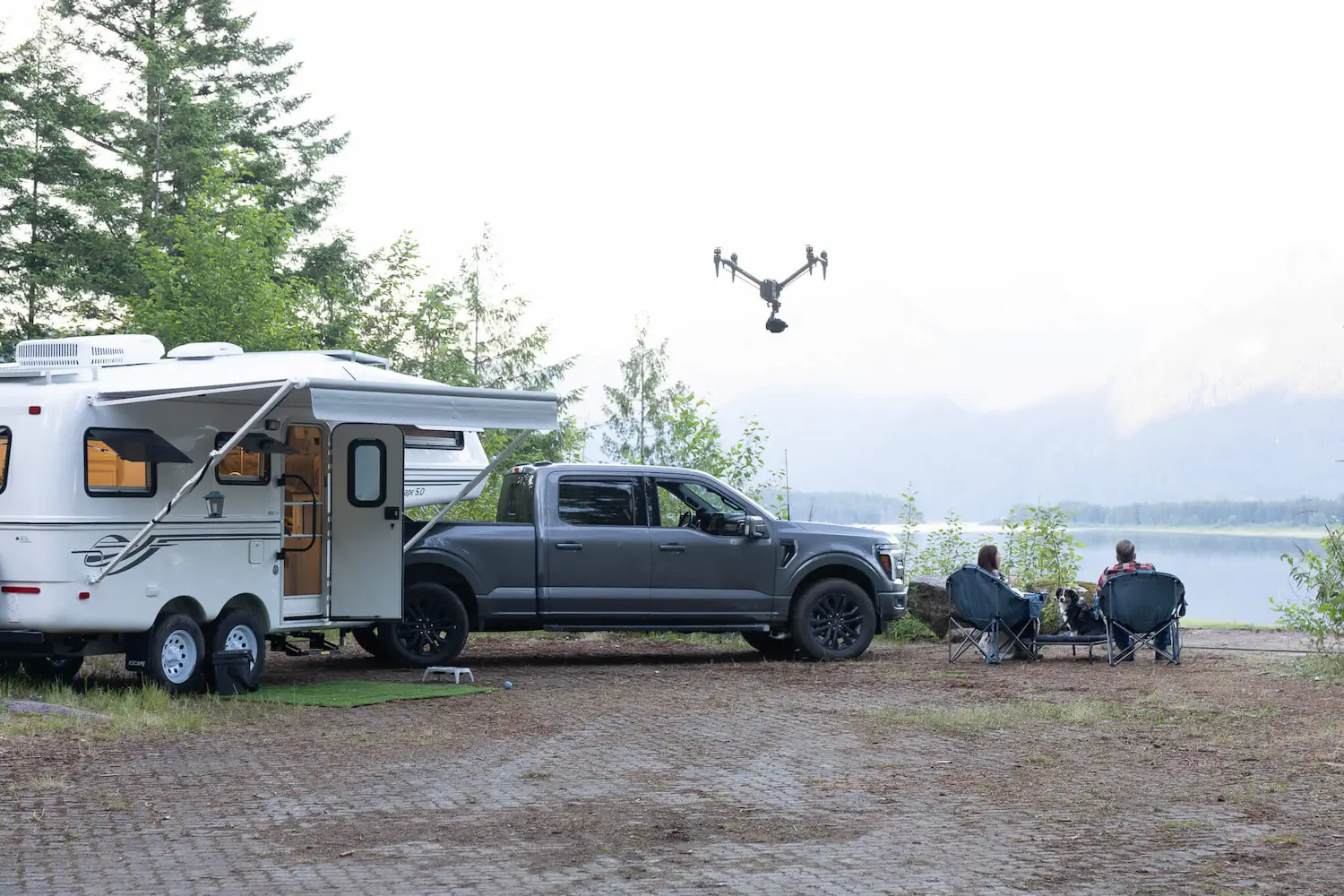
Production is the filming phase, where a crew captures footage according to the plan set during pre-production. This is typically the most resource-intensive phase, involving camera operators, lighting and audio technicians, and any specialist roles such as drone operators required for the project.
A full-service video production company brings its own crew and equipment to this phase, while a freelancer may need to subcontract specific roles. Larger projects often require multiple shoot days, several locations, and coordination across talent schedules, which is where an experienced production team’s process becomes most visible.
What Happens During Post-Production?
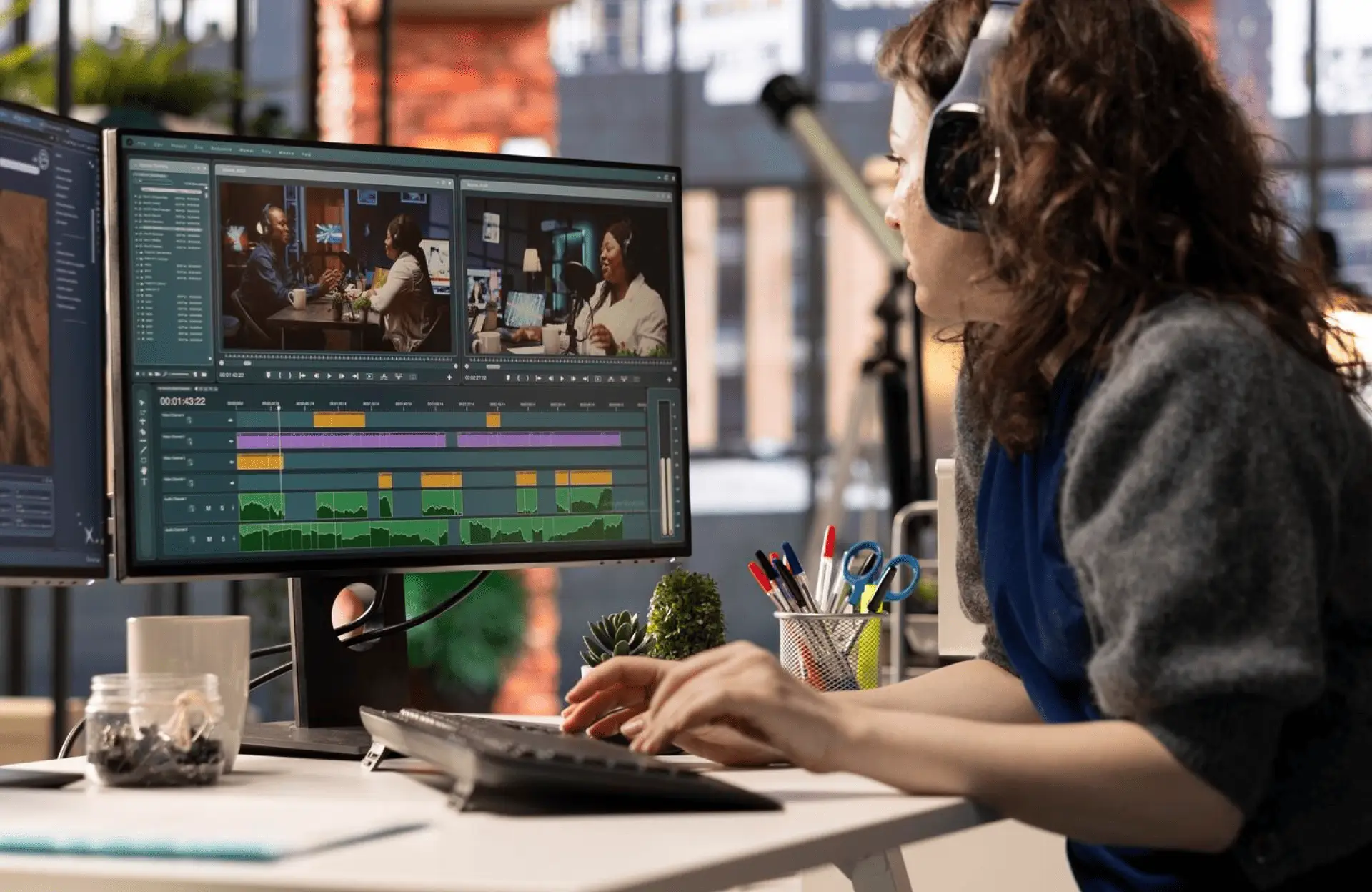
Post-production is where raw footage becomes a finished video through editing, colour grading, sound design, and motion graphics. This phase also includes the agreed number of revision rounds before final delivery.
Editing involves more than assembling clips in order. A skilled editor shapes pacing, structure, and emotional rhythm, layering in music, sound effects, and graphics to support the story rather than simply cutting footage together. This is also the phase where music licensing and any required third-party clearances are typically finalized.
What Types of Video Do Production Companies Create?
Video production companies create a range of content types depending on their specialization, including corporate videos, commercials, brand films, event coverage, and training content. Many production companies handle several categories rather than specializing in just one.
- Corporate and brand videos, including company overviews, brand films, and executive communications.
- Commercial and advertising content for broadcast, streaming, and digital platforms.
- Event coverage, including conferences, product launches, and live performances.
- Training and internal communication videos for onboarding and operational use.
The most reliable production partners can explain in plain language how a project moves from concept to final cut, regardless of which content type is being produced.
How Does a Full-Service Production Company Differ from a Freelancer?
A full-service production company manages every phase of a project under one team, while a freelancer often handles a narrower piece of the work, such as filming or editing alone. This distinction matters most on larger or more complex projects that require coordination across several specialized roles.
A freelancer can be the right fit for a simple, single-camera shoot with a clearly defined brief. A full-service company tends to be the stronger choice for corporate projects requiring a dedicated director, sound engineer, colourist, and consistent creative oversight across multiple deliverables.
How Does FX Productions Canada Approach Full-Service Production?
FX Productions Canada manages the complete process from concept through final delivery, offering full-service video production for corporate and entertainment clients across Toronto, Vancouver, and Ottawa.
The studio’s in-house capabilities span cinematic videography, sound design and audio production, colour grading, and visual effects, which lets a single team carry a project through every phase without subcontracting core creative work.
Clients can review documented project examples on our work page to see how this end-to-end process has supported corporate and branded video projects.
Choosing the Right Type of Production Partner for Your Project
Understanding what a video production company actually does, pre-production planning, the shoot itself, and post-production editing, makes it easier to evaluate whether a full-service team or a specialist freelancer fits a given project. The right choice depends on project complexity, timeline, and how many deliverables are needed.
Corporate and entertainment clients can review FX Productions Canada’s services overview or explore the studio’s Toronto production work before scoping a new project.
Frequently Asked Questions
1. What is the difference between a video production company and a videographer?
A videographer typically refers to an individual who films video, often as a freelancer, while a video production company manages the full process, including planning, filming, editing, and delivery, usually with a dedicated team across multiple roles.
2. Do video production companies handle editing in-house?
Many full-service video production companies handle editing in-house with dedicated editors and colourists, while some smaller operations subcontract post-production. Asking this directly during an initial consultation clarifies how a specific company is structured.
3. How long does a typical video production project take?
Timelines vary by project complexity, but a standard corporate video often takes several weeks from initial planning to final delivery, covering pre-production, the shoot, and post-production with revision rounds built in.
4. What should I ask a video production company before hiring them?
Useful questions include how they structure pricing, who will be on the project crew, how many revision rounds are included, and what the typical timeline looks like from kickoff to final delivery. Clear, specific answers are generally a stronger signal than vague reassurances.
5. Can a video production company handle multiple video types for one brand?
Yes. Many full-service companies handle a range of content types, from corporate videos to commercials to event coverage, for the same client across different projects, which supports consistent branding over time.
What services does FX Productions Canada provide as a full-service company?
FX Productions Canada provides cinematic videography, sound design, colour grading, visual effects, and live streaming among its in-house services for corporate and entertainment clients.
Ready to Discuss Your Next Video Project?
FX Productions Canada manages every phase of video production for corporate and entertainment clients across Canada. Book a call or use the contact form to discuss your project.
Key Takeaways
- A video production company manages the full process of creating video, from pre-production through post-production.
- Pre-production planning, including scripting and scheduling, often determines how smoothly the rest of the project runs.
- Full-service production companies bring dedicated crew and in-house post-production, unlike freelancers handling a single phase.
- Production companies create a range of content types, including corporate video, commercials, and event coverage.
- The right partner type depends on project complexity, timeline, and the number of deliverables needed.