Comparing top videographers in Toronto requires evaluating seven criteria: reel quality and format range, equipment ownership, post-production capability, Toronto market experience, collaboration style, day rate structure, and client references. The videographer who scores well across all seven is a meaningfully different candidate from one who scores well on reel quality alone.
Why Are Toronto Videographers Difficult to Compare Without a Framework?
Toronto has a dense and competitive videography market. According to IAB Canada, video content demand in Canada continues to outpace supply of qualified production professionals, which has expanded the range of individuals operating as videographers across a wide spectrum of experience, equipment, and specialisation. Without a structured comparison framework, it is genuinely difficult to distinguish between a videographer who is competent on paper and one who will perform reliably on your specific project.
Most comparison processes focus on reel quality and day rate. These are necessary criteria but not sufficient ones. A videographer who has excellent reel footage but subcontracts colour grading and sound design to different vendors on each project introduces creative inconsistency and coordination risk that will affect your final output in ways the reel does not reveal.
What Are the Seven Criteria for Comparing Top Videographers in Toronto?
The following seven criteria provide a comprehensive framework for comparing videographers in Toronto across the dimensions that most reliably predict project quality and delivery reliability.
Criterion 1: Reel Quality and Format Range
Evaluate the reel for consistency across multiple pieces in formats relevant to your project. Think with Google research consistently shows that the first three seconds of video content determine audience retention. A Toronto videographer whose reel demonstrates strong openings, purposeful pacing, and confident visual storytelling across different content types is demonstrating skills that transfer directly to your project. A reel that is impressive in one format and underdeveloped in others suggests format-specific experience that may not extend to your needs.
Criterion 2: Equipment Ownership and Specification
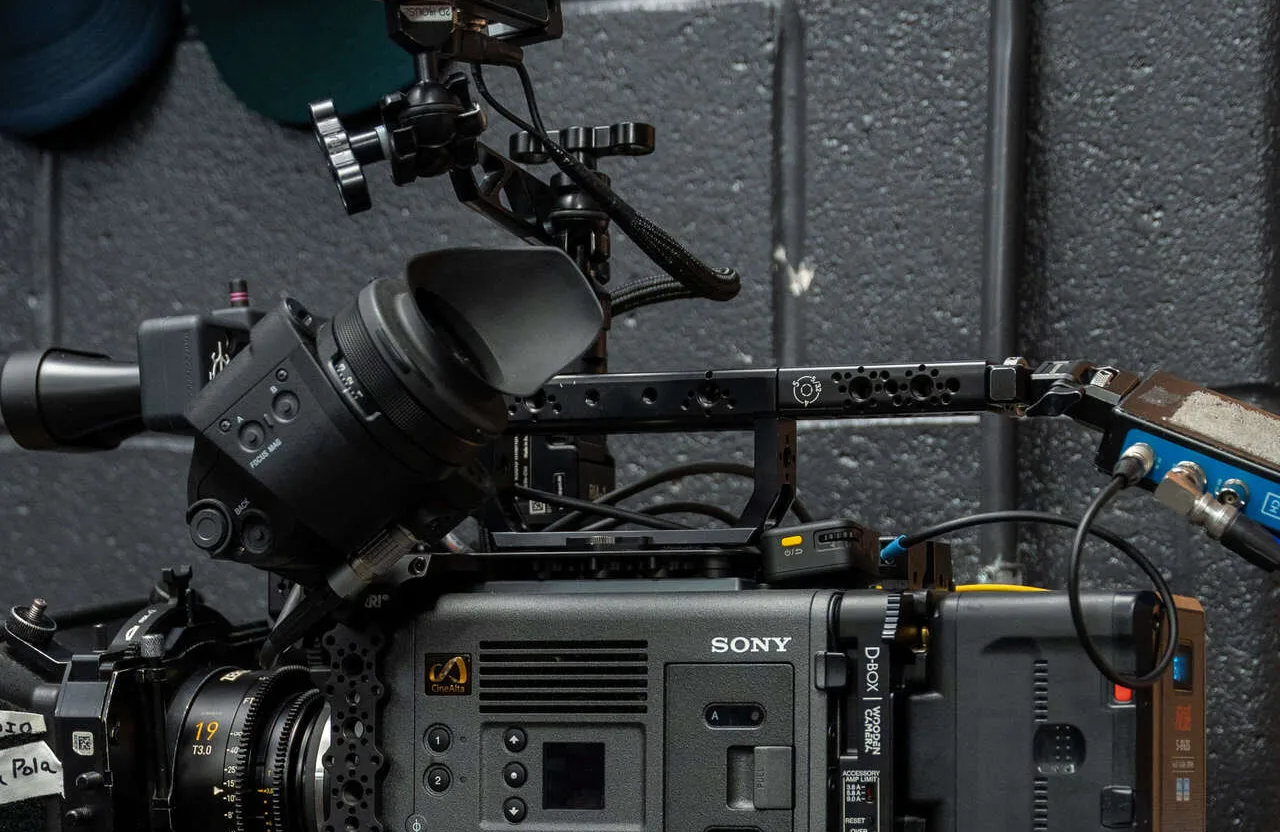
Confirm whether the videographer owns their camera system, lenses, lighting, and audio equipment, or hires kit per project. Equipment ownership is a reliable indicator of professional commitment and technical knowledge. A videographer who owns broadcast-grade Toronto videography equipment and maintains it professionally will produce more consistent results than one who hires different kits from different suppliers for each project, where equipment familiarity and quality vary.
Criterion 3: Post-Production Capability
Ask specifically whether the videographer handles editing, colour grading, and sound design personally or subcontracts these elements. A videographer who personally manages the full post-production workflow will deliver a more consistent visual result than one who shoots in one style and hands the footage to an editor who works in a different aesthetic. Post-production capability is where the most significant quality differences between Toronto videographers emerge.
Criterion 4: Toronto Market Experience
Toronto-specific experience covers location knowledge, permit familiarity, established crew relationships, and an understanding of the city’s visual landscape across different neighbourhoods, seasons, and lighting conditions. A videographer who has worked extensively in Toronto knows which locations photograph well at which times of day, which venues have reliable natural light, and which aerial services operators have the correct Transport Canada certifications for the locations you need. This knowledge reduces production risk materially.
Criterion 5: Collaboration Style and Communication
According to Wyzowl’s research, brands that describe their production partner relationship as collaborative consistently report stronger content outcomes than those who treat the relationship as transactional. Assess a videographer’s collaboration style during the initial conversation. Do they ask specific questions about your project goals? Do they offer creative perspective before being asked? Do they communicate clearly about process, timeline, and revision expectations? These signals are more predictive of a positive working relationship than any technical credential.
Criterion 6: Day Rate Structure and Inclusions
Understand exactly what a videographer’s day rate includes before making any comparison. Some day rates cover camera, operator, and basic lighting only. Others include audio recording, a camera assistant, backup equipment, and travel within the Greater Toronto Area. The most reliable comparison is total project cost against total confirmed deliverables, not day rate headline figures. A higher day rate that includes audio, lighting, and a camera assistant can represent better value than a lower rate that excludes all of these.
Criterion 7: Client References and Repeat Business
Request two to three client references from projects comparable to yours and ask specifically about delivery reliability, creative leadership, and revision management. A high repeat-business rate is the strongest single indicator of professional reliability. A Toronto videographer who consistently works with the same clients across multiple years has demonstrated that their quality and process are consistent enough to earn sustained professional trust.
|
Criterion |
What It Reveals |
Best Question to Ask |
|
Reel quality and range |
Format-specific experience and visual consistency |
Show me 3 pieces in my specific format |
|
Equipment ownership |
Professional commitment and technical consistency |
Do you own your full camera and lighting kit? |
|
Post-production |
Whether colour and audio quality will be consistent |
Do you personally edit and colour grade your work? |
|
Toronto experience |
Location knowledge and production risk reduction |
Describe three locations you know well for my format |
|
Collaboration style |
Likelihood of a productive creative working relationship |
How do you handle creative disagreement? |
|
Day rate structure |
True cost once all inclusions and exclusions are known |
What exactly does your day rate include? |
|
References |
Delivery reliability and repeat-business evidence |
Have any clients worked with you more than twice? |
How Does Comparing a Videographer Differ from Comparing a Full Production Studio?
A videographer is typically a single operator who handles camera and may or may not handle audio, lighting, and post-production. A full production studio brings a team across all of these disciplines under structured creative direction. For corporate video and commercial content requiring multi-format deliverables, broadcast-quality finishing, or complex post-production, a full-service studio typically offers more reliable creative consistency than a solo videographer, regardless of how strong the individual’s reel is.
The seven-criteria framework applies equally to both. The difference is in how you weight each criterion. For a solo videographer, post-production capability and equipment ownership carry more weight because there is no team to compensate for gaps in either area. For a studio, the team structure and process transparency criteria carry more weight because the quality of the team and the strength of the process determine whether the studio’s best work is representative of what you will receive.
How Does FX Productions Canada Compare Against These Criteria?
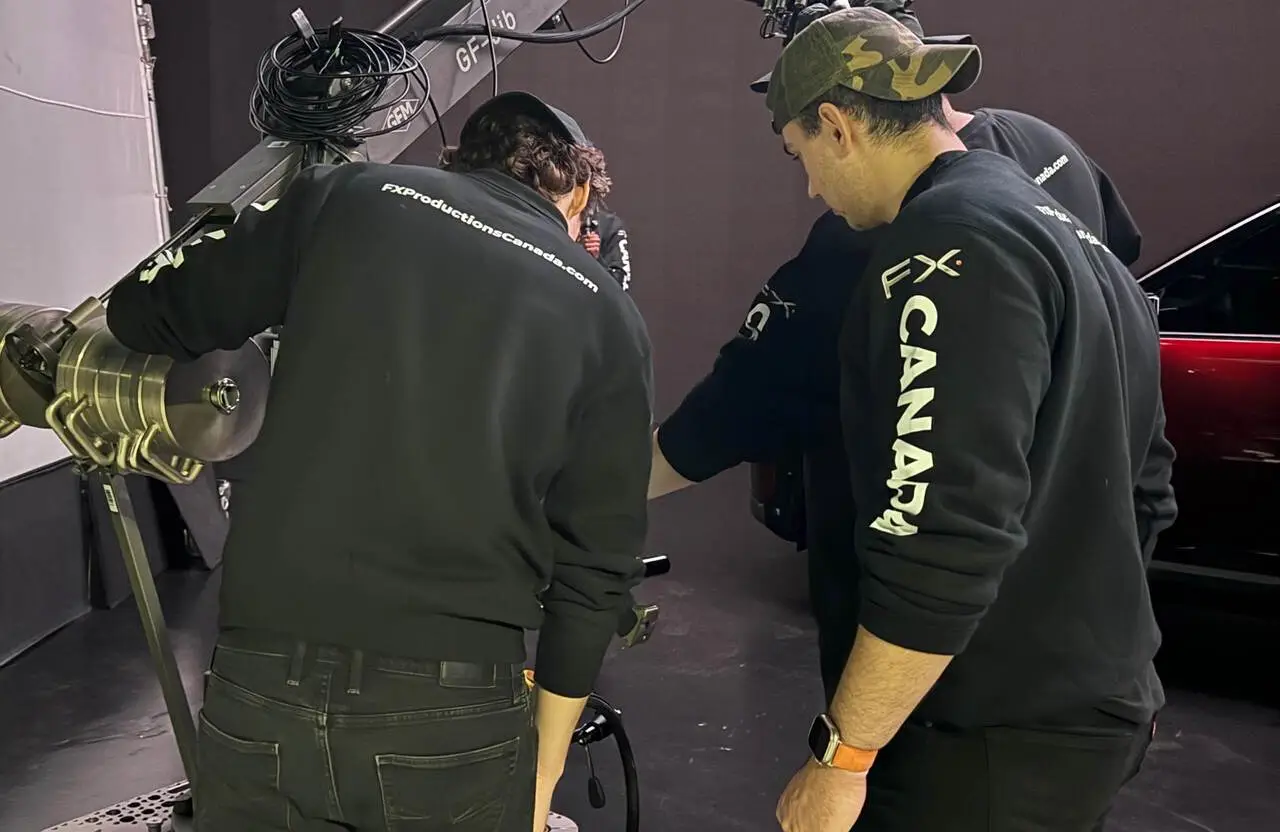
FX Productions Canada Inc. is a full-service Toronto studio whose team includes experienced cinematographers, directors, and editors with deep Toronto videography and commercial production experience. The studio owns professional-grade production equipment, handles all post-production in-house, and maintains a consistent creative team across all project types.
Portfolio examples across commercial, corporate, branded, and documentary formats are available through our work. The Canadian Media Producers Association standards for professional Canadian production are reflected in every FX Productions Canada Inc. scope document, contract, and deliverable specification.
Applying the Framework to Make a Confident Decision
Score each videographer candidate against all seven criteria using the questions in the table above. Any candidate who cannot answer two or more of the seven questions clearly and specifically should be removed from your shortlist at that stage. The candidates who remain, and who answer all seven questions with specifics rather than generalities, represent the realistic field from which your final choice should be made.
Price should be the final filter in this comparison, not the first one. A videographer who scores well across all seven criteria and charges a higher day rate is almost always a lower-cost decision than one who scores poorly on post-production capability and references but offers the lowest headline rate.
Compare Videographers with FX Productions Canada as Your Benchmark
FX Productions Canada Inc. welcomes structured comparisons and provides the information needed to evaluate the studio against all seven criteria before any commitment is made. Begin your comparison process with FX Productions Canada.
Frequently Asked Questions
1. What is the most important criterion when comparing Toronto videographers?
Post-production capability is the most important criterion because it is where the most significant quality differences emerge and where the most misleading gaps between a polished reel and a routine deliverable are concealed. A videographer whose reel is strong but who subcontracts colour grading and editing to different vendors on each project will deliver an inconsistent result that does not reflect the reel quality. Confirming that post-production is handled personally and in-house is the single question that most reliably predicts output consistency. Read more about the power of post-production: editing, colour grading, and sound design to understand what full in-house post capability looks like.
2. How do Toronto videographer day rates compare to full production studio rates?
Toronto videographer day rates are typically lower than full production studio day rates at a headline level, but the comparison becomes less clear once inclusions and exclusions are accounted for. A studio day rate that includes a director, camera operator, lighting technician, sound recordist, and full post-production may represent better total project value than a lower videographer day rate that excludes audio, lighting, and post-production as separate line items. Always compare total project cost against total confirmed deliverables rather than headline day rate figures. Read more about full-service versus piecemeal video production in Toronto to understand how these cost structures differ.
3. Should I hire a solo videographer or a full production studio for my Toronto project?
The right choice depends on project complexity and format requirements. A solo videographer is appropriate for single-format, lower-complexity projects where the brief is clear, the shoot environment is simple, and the deliverable is a single edited file. A full production studio is more appropriate for projects requiring multi-format deliverables, professional audio and lighting, broadcast-quality colour grading, complex post-production, or consistent creative direction across multiple shoot days or projects. Read more about corporate video production agencies versus freelancers to help identify which structure fits your project.
4. How do I check if a Toronto videographer’s reel represents their own work?
Ask directly who operated the camera, who edited the footage, and who colour graded each piece in the reel you are reviewing. Also ask whether any pieces in the reel were produced as part of a larger crew where another director or cinematographer led the creative. Some videographers present team-produced work in individual reels without making the collaborative context clear. A professional who presents their reel with transparent credits for each piece is demonstrating the kind of honest communication that is equally important during the project itself. Learn more about how FX Productions Canada Inc. attributes creative work by visiting our team.
5. Does FX Productions Canada work as a videography service for smaller projects?
FX Productions Canada Inc. scales its services to fit a range of project types and budgets, including projects that require a more focused videography approach rather than a full production crew. The studio’s in-house team handles camera, audio, and post-production across all project scales, ensuring creative consistency regardless of scope. Visit our services overview or explore our work to see examples across different project scales.
6. What should I do if two videographers have similar reel quality but very different rates?
Request itemised cost breakdowns from both and confirm what each rate includes in terms of equipment, audio, lighting, travel, post-production, and revision rounds. Convert both quotes to total project cost against total confirmed deliverables before making any price comparison. The difference in rate almost always reflects a difference in inclusions. The higher rate may represent better value once all add-on costs from the lower rate are added back in. Read more about hidden costs of choosing a video production company in Toronto to understand what to check for at the quoting stage.
7. What industry standards apply to professional videography in Canada?
The Canadian Media Producers Association publishes professional standards for production engagements in Canada that apply to videographers and studios operating at a professional level. These standards cover equipment, deliverable specifications, contract terms, and rights and ownership provisions. Using CMPA standards as a reference when reviewing any videographer’s proposal helps confirm whether the engagement is structured professionally before any commitment is made. You can also read more about the Canadian video production industry for additional context on how these standards are applied across different engagement types.
Key Takeaways
- Comparing top videographers in Toronto requires seven criteria: reel quality and format range, equipment ownership, post-production capability, Toronto market experience, collaboration style, day rate structure and inclusions, and client references.
- Post-production capability is the most variable criterion across Toronto videographers and the one most likely to be underdisclosed during the initial pitch conversation.
- Equipment ownership is a reliable indicator of professional commitment and technical consistency that is not visible in a reel review alone.
- Day rate comparisons are only meaningful when converted to total project cost against total confirmed deliverables, inclusive of all add-on items.
- A high repeat-business rate is the strongest single indicator of professional reliability across any videographer or production company evaluation.
- FX Productions Canada Inc. provides all seven-criteria information including portfolio, equipment specification, post-production workflow details, and client references before any commitment is made.