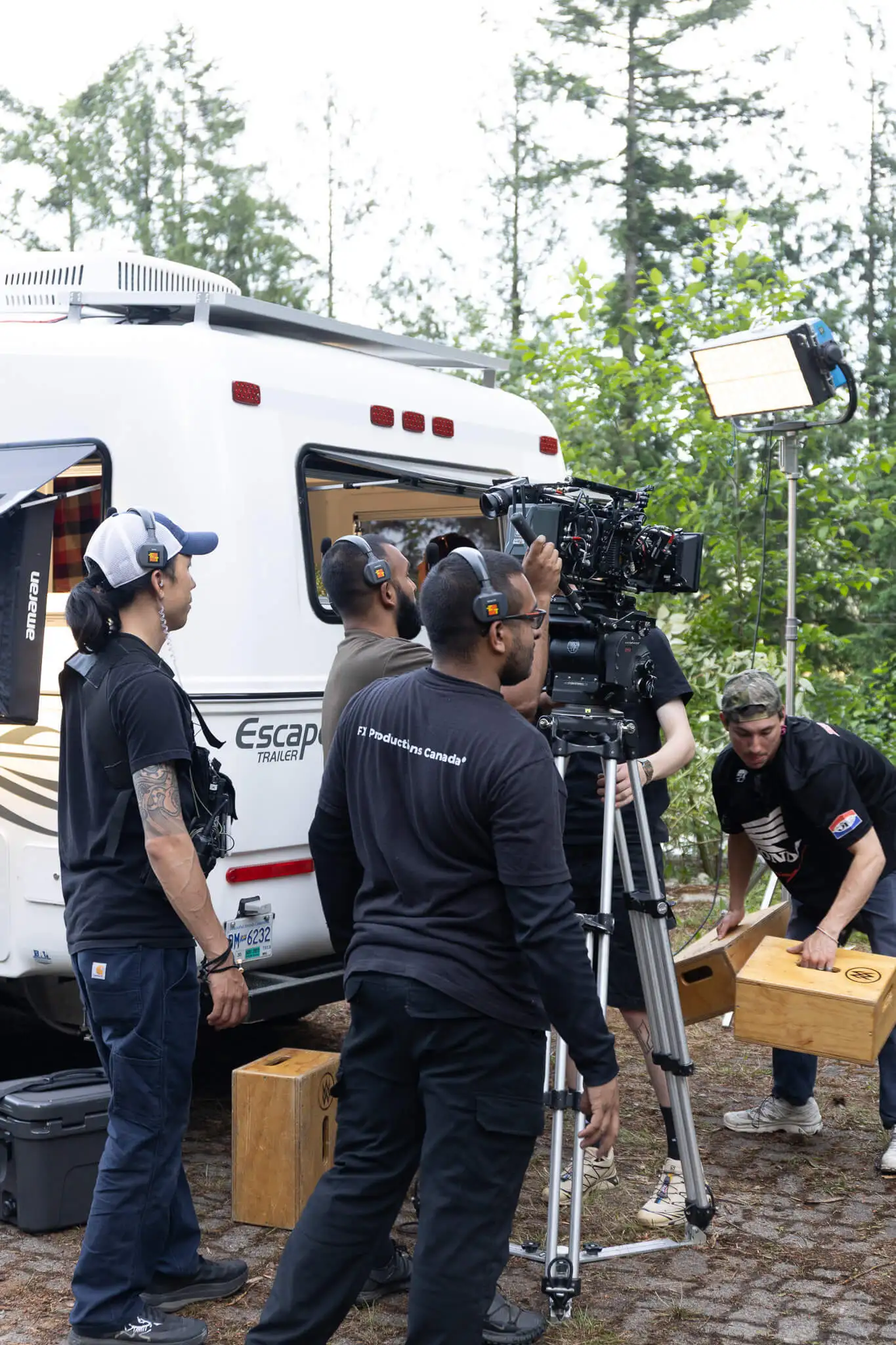
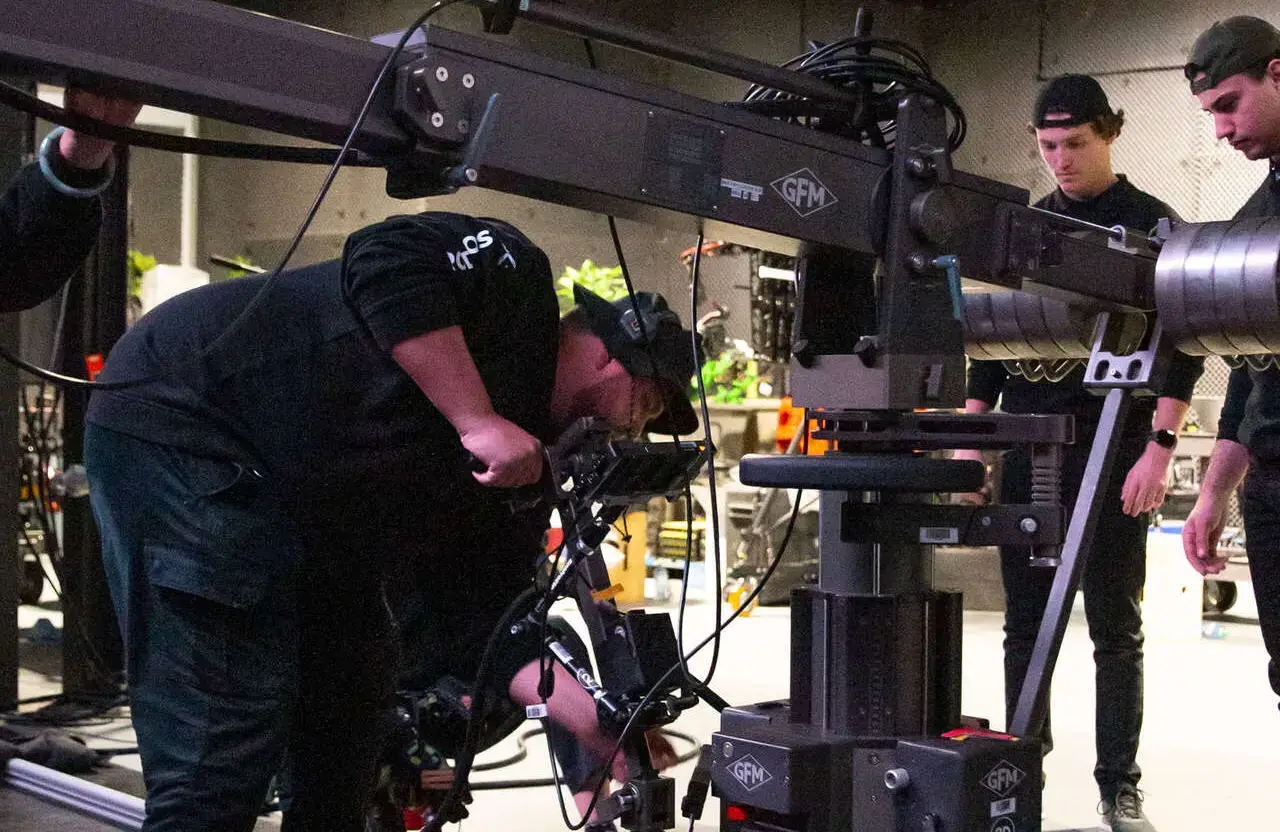
Toronto-based 30s to 60s TV commercial production case studies show what separates a spot that performs from one that simply looks good. This post examines how real commercial campaigns were briefed, produced, and delivered by FX Productions Canada across named client categories, and what each production decision reveals about how high-performing short-format advertising is actually made in Toronto.
What Do Toronto TV Commercial Case Studies Actually Reveal?
A case study for a 30-second or 60-second TV commercial is not a showreel highlight. It is a documented account of the brief, the production approach, the specific decisions made at each stage, and the outcome those decisions produced. Most production company portfolios show the finished spot. A genuine case study explains why it was made the way it was.
The decisions that determine whether a 30s or 60s spot performs well are made before the camera rolls. They include the creative brief structure, the casting approach, the location strategy, the shoot plan for yielding multiple asset lengths from a single day, and the post-production pipeline for broadcast delivery. These decisions are invisible in the final spot, but they are readable in a production case study.
FX Productions Canada has produced commercial video content for named Canadian brands across automotive, consumer goods, financial services, and food and beverage categories. The production portfolio reflects work that spans broadcast-ready TV spots, digital campaign assets, and multi-platform content suites built from single production engagements.
How Did the Kia University Campaign Use the 30s to 60s Format?
FX Productions Canada produced the Kia University campaign for Kia Canada to support the brand’s product education and dealer network launch objectives. The campaign required content that communicated technical product positioning with a level of cinematic quality consistent with Kia’s national brand standards.
The production was structured to yield multiple format lengths from a single multi-day shoot. The 30-second broadcast version was edited to deliver the product message within the frame-precise timing required for broadcast placement. The longer-form 60-second storytelling version was built for digital deployment where audience dwell time allowed a fuller narrative arc.
The cinematic videography approach used on the Kia University production was calibrated to match the visual language of national automotive advertising rather than regional dealer content. This meant lighting, camera movement, and colour treatment were all planned to hold up against broadcast quality standards from day one of pre-production.
The full Kia University case study is available within the FX Productions Canada portfolio. Toronto also provides resources and support for the city’s film industry, including information and resources for commercial productions and the broader local production community.
What Did the Liva Foods Commercial Production Demonstrate?
The Liva Foods campaign presented a different set of production requirements. Liva Foods is an organic date-based food brand, and the commercial needed to communicate product authenticity and ingredient quality to a health-conscious consumer audience within the compressed runtime of a TV spot.
Food and beverage commercial production at the 30-second format demands precise product photography-level control over lighting, colour temperature, and movement. Every frame that features the product must present it at the same visual standard as a high-end still photograph, while maintaining the motion and pacing the spot requires to hold viewer attention.
FX Productions Canada applied colour grading and sound design to the Liva Foods commercial in-house, which meant the colour warmth of the product footage and the audio texture of the spot were consistent across every version delivered. The broadcast master, the digital cutdown, and the social variants all came from the same in-house post-production pipeline.
How Did the Scotiabank Production Work at the 60-Second Format?
The Scotiabank collaboration demonstrated the advantages of the 60-second format for brand credibility content. Financial services advertising requires that the brand communicate trustworthiness and stability alongside product or service messaging. The 30-second format can establish those signals, but the 60-second format allows a narrative structure that builds the emotional foundation before the rational claim is made.
The production for Scotiabank was planned from the outset to deliver broadcast-grade quality consistent with Scotiabank’s existing national advertising standards. This meant crew selection, camera package, and location choices all had to meet a benchmark defined by one of Canada’s largest financial institutions.
The result was a commercial that functioned as brand credibility content for Scotiabank’s corporate communications, built using the same process FX Productions Canada applies across all full-service video production engagements: strategic brief, structured shoot, in-house post, broadcast delivery.
What Production Decisions Drive Results in Toronto TV Commercial Case Studies?
Across FX Productions Canada’s commercial case study record, five production decisions consistently determine whether a 30s or 60s spot performs against its brief or falls short.
Brief Precision Before Creative Development
The campaigns that produced the strongest results shared a common characteristic: the brief was defined with precision before any creative work began. This means the audience behaviour, the specific message claim, the placement context, and the measurable outcome were all documented before scripting started.
Multi-Format Planning From Day One
Every successful case study in the FX Productions Canada record was planned to yield the broadcast master, the digital cutdown, and the social variants from a single shoot day. Brands that enter production planning only for the broadcast version consistently leave significant value on the table.
In-House Post-Production Throughout
Colour grading, sound design, and visual effects handled in-house by the same team that planned the shoot meant that every revision was implemented in hours rather than days, and brand consistency was maintained across every format variant without inter-vendor briefing cycles.
Broadcast-Grade Technical Delivery
Case studies that involved broadcast placement required delivery packages that met broadcaster technical specifications, including colour space, audio loudness standards, and closed captioning. Having this pipeline built into the production workflow from the outset, rather than retrofitted after the creative edit was locked, consistently reduced delivery timelines and eliminated rejection risk.The CRTC’s TV and radio advertising guidance provides additional context on the Canadian broadcast advertising environment, including advertising content and broadcaster requirements.
Named Client Accountability
Every case study in the FX Productions Canada record is attributed to a named client. Named attribution is the clearest signal that the production company stands behind the work and that the client relationship was strong enough to allow public reference. Visit the portfolio to review the full named client record.
For productions requiring commercial location filming in Toronto, the City of Toronto’s filming guidelines outline the city’s protocols for commercial filming.
What Should Your Own Toronto TV Commercial Case Study Look Like?
If you are planning a 30-second or 60-second TV commercial production in Toronto, the case study you want to build starts at the brief stage, not at the edit. The brief defines the audience behaviour, the specific claim, the placement plan, and the success metric. Everything the production team does after that is in service of those four decisions.
The case study that emerges from a well-structured production engagement documents why each major decision was made, what it cost in production time and budget, and what the outcome was against the defined metric. That record becomes a reference tool for every subsequent production, and it is the most reliable way to improve performance from one campaign to the next.
FX Productions Canada works with Toronto brands to build commercial productions that are as well-documented as they are well-made. If you are ready to start planning your 30s or 60s commercial production, contact FX Productions Canada to begin the briefing process.
Frequently Asked Questions
1. What makes a strong Toronto TV commercial case study for 30s or 60s spots?
A strong Toronto TV commercial case study documents the brief, the production decisions made at each stage, and the outcome those decisions produced. It should identify the client, describe the campaign objective, explain why the 30s or 60s format was chosen, and describe at least one key production decision and its rationale. The FX Productions Canada portfolio includes named client case studies across automotive, consumer goods, food and beverage, and financial services categories.
2. How long does a 30-second TV commercial take to produce in Toronto?
A broadcast-ready 30-second TV commercial produced in Toronto typically takes four to eight weeks from the signed brief to final delivery, depending on scripting complexity, casting requirements, and the number of revision rounds in post-production. Broadcast compliance steps including Telecaster clearance add additional time and must be built into the timeline at the outset. Visit the Toronto production for context on scheduling and timeline planning.
3. What brands has FX Productions Canada produced commercials for in Toronto?
FX Productions Canada has produced commercial video content for named brands including Kia Canada, Scotiabank, Manulife, Next Canada, and Liva Foods, among others. The full named client record is available in the production portfolio. Each entry includes the client name, the project category, and the production approach.
4. How does a 60-second commercial differ from a 30-second spot in production terms?
A 60-second commercial requires a more developed narrative structure than a 30-second spot. The additional runtime allows for an emotional foundation to be built before the rational product claim is made, which is particularly valuable for brand credibility content in financial services, healthcare, and premium consumer goods. Production complexity is similar in terms of crew and equipment, but pre-production scripting and storyboarding take longer for the 60-second format because the narrative architecture must earn every additional second of viewer attention. The commercial video production team at FX Productions Canada plans both formats with the same level of strategic rigour.
5. Can a single production shoot deliver both a 30s and a 60s version?
Yes. Planning a single shoot to yield both a 30-second broadcast spot and a 60-second storytelling version is the most cost-efficient approach and is standard practice at FX Productions Canada. The shoot is structured to capture material that supports the compressed 30s edit and the fuller 60s narrative simultaneously, and the in-house post-production team delivers both versions with consistent colour grading, sound design, and visual effects throughout. The full-service workflow builds multi-format planning into every commercial production engagement.
Turn Your Commercial Concept Into a Broadcast-Ready Production
See how real Toronto campaigns are planned, produced, and delivered across 30-second and 60-second formats, with creative decisions designed around measurable results. Explore commercial video production in Toronto and Schedule a consultation to discuss your campaign goals and production requirements.
Key Takeaways
- A genuine TV commercial case study documents the brief, the production decisions at each stage, and the measurable outcome, not just the finished spot.
- FX Productions Canada has produced 30s and 60s commercial content for named brands including Kia Canada, Scotiabank, Manulife, and Liva Foods.
- Multi-format planning from day one, building the 30s broadcast master, 60s storytelling version, and digital cutdowns from a single shoot, is the most reliable way to maximise production return.
- In-house post-production across colour grading, sound design, and visual effects means revisions are faster and brand consistency is maintained across every format variant.
- Broadcast-grade delivery, including Telecaster clearance and network technical specifications, must be built into the production workflow from the outset to avoid rejection risk and timeline overruns.
- Named client attribution in a production portfolio is the clearest signal that the production company stands behind its work and maintains strong client relationships.