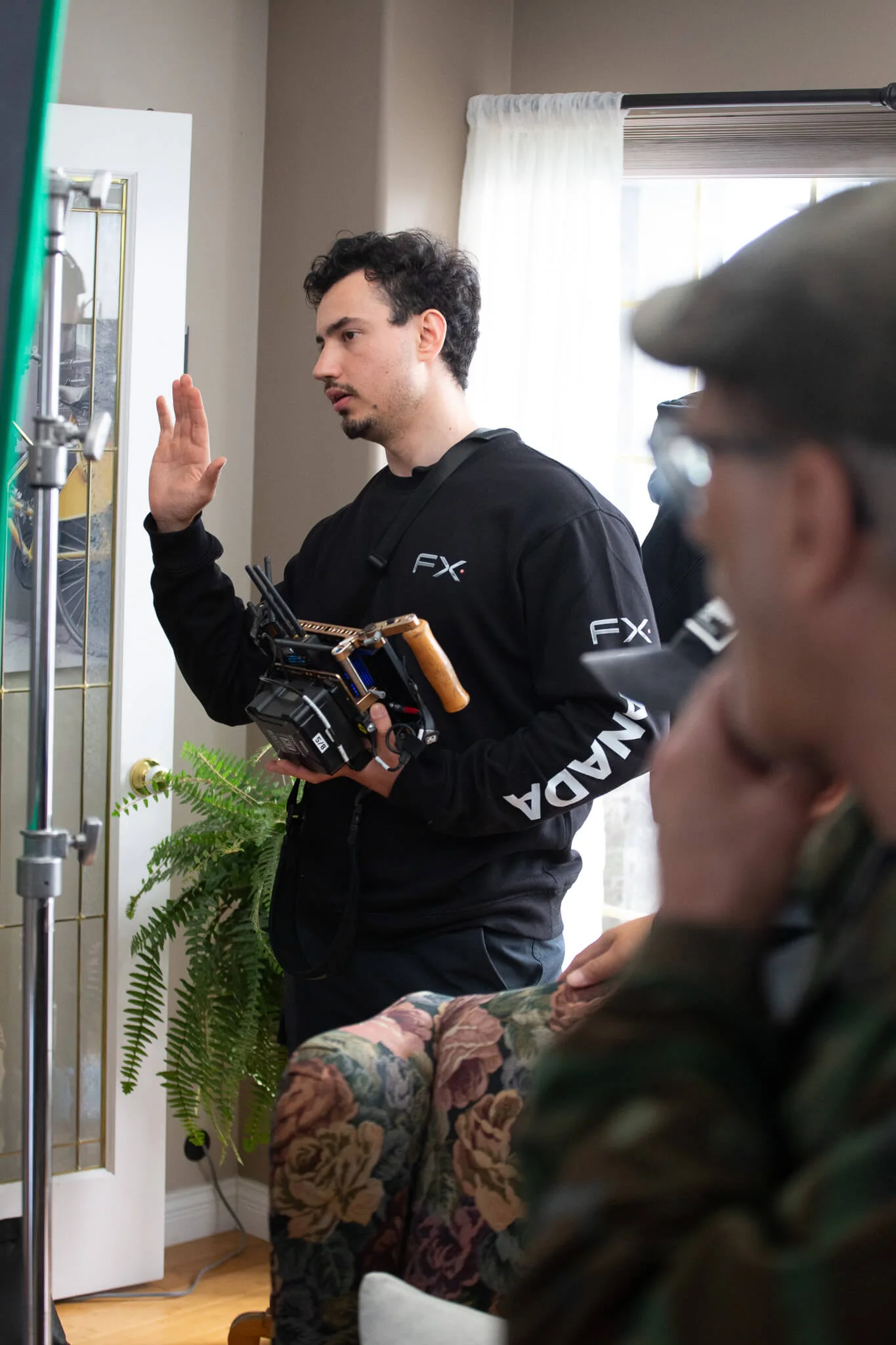
Aligning video production with marketing goals means defining what each video needs to accomplish, awareness, lead generation, or conversion, before any creative work begins. Videos built without a clear business objective are far more likely to look polished yet fail to move the audience toward a measurable result.
Why Does Video Production Need a Marketing Goal Before It Starts?
Video production needs a defined marketing goal before it starts because the brief that follows, length, tone, format, and distribution, depends entirely on what the video is meant to achieve. A project that begins with a vague creative idea rather than a specific business objective tends to produce content that looks good but does not move anyone toward a decision.
The difference between a video that sits as a line item on a budget and one that contributes to revenue rarely comes down to production quality. It comes down to whether the video was mapped to a specific stage of the buyer’s journey from the outset.
What Marketing Objectives Should Drive a Video Production Brief?
A video production brief should be built around one of a small number of clear marketing objectives, such as brand awareness, lead generation, customer education, or conversion. Naming the objective early shapes nearly every decision that follows in the brief.
- Brand awareness: introducing a company or service to a broader audience that may not yet know the brand.
- Lead generation: offering value, such as an explainer or case study, in exchange for audience contact information.
- Customer education: helping an audience understand a product, service, or process in depth.
- Conversion: moving a warm audience toward a specific action, such as booking a consultation or making a purchase.
A goal stated as increasing awareness is harder to brief against than a goal stated as introducing our brand to event planners considering full-service production for a Q3 campaign. Specificity at this stage carries through to every later production decision.
How Does the Marketing Goal Shape the Video Format?
The marketing goal shapes which video format makes the most sense, since different formats perform differently at each stage of the buyer’s journey. Matching format to objective is one of the more reliable ways to avoid producing content that looks finished but underperforms.
- Explainer videos suit customer education and early brand awareness.
- Product demonstrations and case studies suit lead generation and consideration-stage audiences.
- Testimonials and client results build trust and support conversion-stage decisions.
- Behind-the-scenes and culture content build long-term brand affinity rather than driving immediate action.
A corporate client producing a single video for multiple objectives, awareness, education, and conversion all at once, often ends up with a video that does none of them particularly well. Separate, purpose-built deliverables from the same shoot day usually perform better than one video trying to do everything.
How Should Success Be Measured Once the Video Is Live?
Success should be measured against the specific marketing objective set before production, not against general view counts. A brand awareness video and a lead generation video succeed or fail on entirely different metrics, and treating them the same way obscures whether either is actually working.
- Awareness videos: reach, watch time, and brand recall rather than raw view counts alone.
- Lead generation videos: conversion rate on a gated offer or landing page, and cost per lead where paid distribution is used.
- Conversion-stage videos: click-through rate to a booking page or measurable movement in the sales pipeline.
Defining these metrics before the shoot, rather than after the video is published, makes it possible to judge whether the production actually achieved what it was built to do.
How Does a Long-Term Production Partner Support Marketing Alignment?
A long-term production partner becomes more effective at aligning video with marketing goals over time, since familiarity with a brand’s voice, audience, and past campaigns speeds up the briefing process on each new project. A new partner starting from zero on every project has to relearn brand context each time.
This is one reason corporate clients often see stronger creative alignment from an ongoing relationship with a single production company rather than a new vendor for every campaign. Consistency in visual style, tone, and messaging also compounds over multiple videos, which supports brand recognition in ways a single isolated project cannot.
How Does FX Productions Canada Approach Strategic Alignment?
FX Productions Canada begins each corporate engagement with a conversation about business objectives before any creative direction is locked in, applying this thinking across services such as cinematic videography and full-service video production.
For corporate clients running ongoing campaigns, FX Productions Canada’s approach to post-production and sound design and audio production is shaped around the specific marketing objective the video is built to support, rather than a one-size-fits-all template.
Corporate teams can review documented project outcomes on the client results overview to see how goal-driven production has supported past campaigns. Results vary by project scope and audience, and past outcomes are not a guarantee of future results.
Building Video Production Around a Clear Business Outcome
Aligning video production with marketing goals starts with naming the specific objective before a brief is written, and carries through to format selection and how success is measured once the video is live. This approach turns video from a creative exercise into a measurable contributor to business results.
Corporate teams planning a campaign can review FX Productions Canada’s services overview or book a call to discuss how a specific marketing goal should shape an upcoming video project.
Frequently Asked Questions
1. What is the first step in aligning video production with marketing goals?
The first step is defining a specific, measurable objective, such as generating qualified leads from a gated explainer video, rather than a general goal like increase awareness. This specificity shapes every later decision, from format to distribution.
2. Can one video serve multiple marketing objectives at once?
A single video can sometimes serve more than one objective, but trying to cover several distinct goals at once often weakens performance against all of them. Separate, purpose-built deliverables produced from the same shoot day frequently outperform one video stretched across multiple objectives.
3. How do I know which video format fits my marketing goal?
The format generally follows the funnel stage. Explainer videos suit education and early awareness, product demos and case studies suit consideration, and testimonials support conversion-stage decisions. Matching format to the funnel stage your audience is in tends to outperform choosing a format based on creative preference alone.
4. What metrics matter most for a brand awareness video?
Reach, watch time, and brand recall matter more than raw view counts for awareness content, since the goal is recognition and recall rather than an immediate conversion action.
5. Does working with the same production partner long-term improve alignment with marketing goals?
Often, yes. A production partner familiar with a brand’s audience, tone, and past campaigns can brief and produce new videos more efficiently than starting from zero with a new vendor on every project, which supports stronger alignment over time.
6. How does FX Productions Canada start a new corporate project?
FX Productions Canada typically opens a new corporate engagement with a discovery conversation about goals and audience, applying that context to services such as colour grading and visual effects as the project moves into production.
Ready to Align Your Next Video with a Business Goal?
FX Productions Canada works with corporate and entertainment clients to build video projects around specific marketing objectives from the first conversation. Book a call or use the contact form to discuss your next campaign.
Key Takeaways
- Video production should start with a specific marketing objective, not a general creative idea.
- Format selection should follow the audience’s stage in the marketing funnel, not creative preference alone.
- Success metrics differ by objective; awareness, lead generation, and conversion videos should be measured differently.
- A long-term production partner can align creative work with marketing goals more efficiently over time.
- Defining the objective before the shoot makes it possible to judge whether a video actually achieved its purpose.