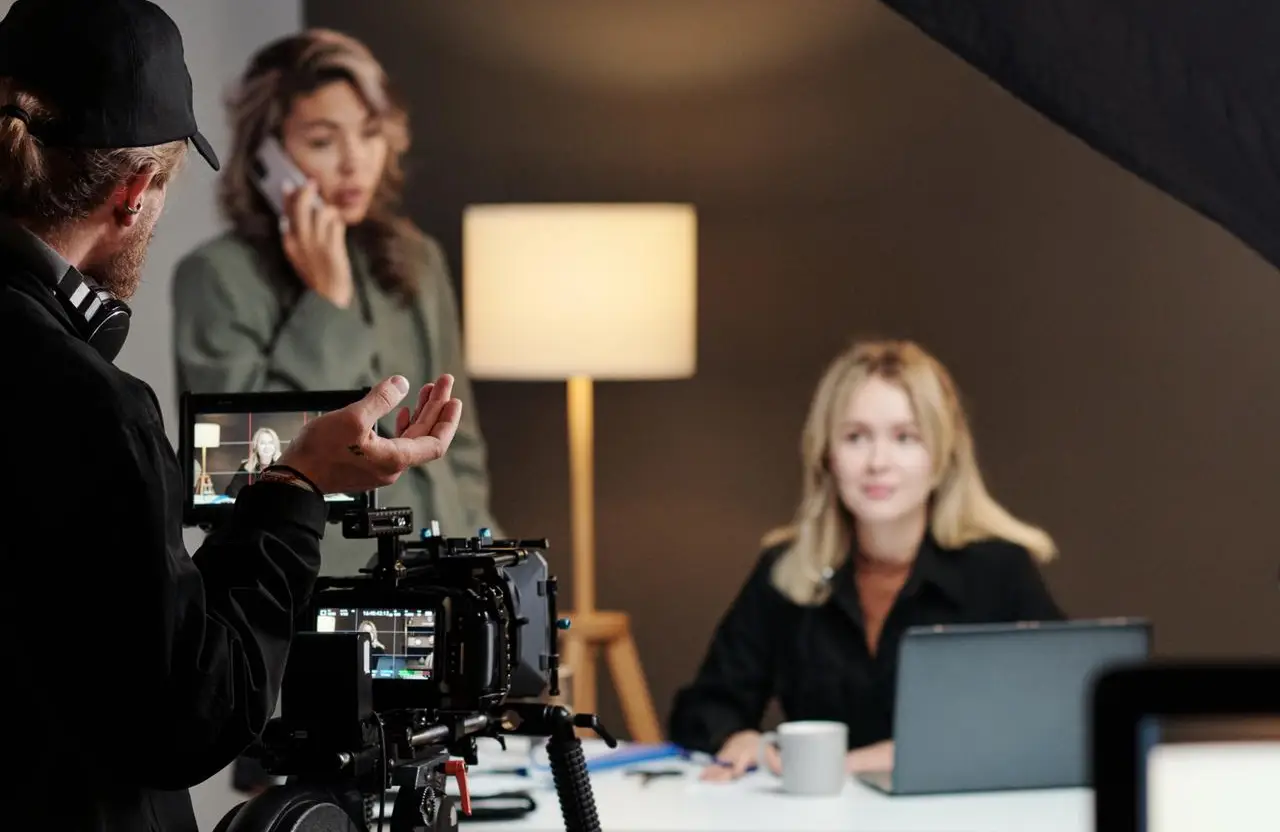
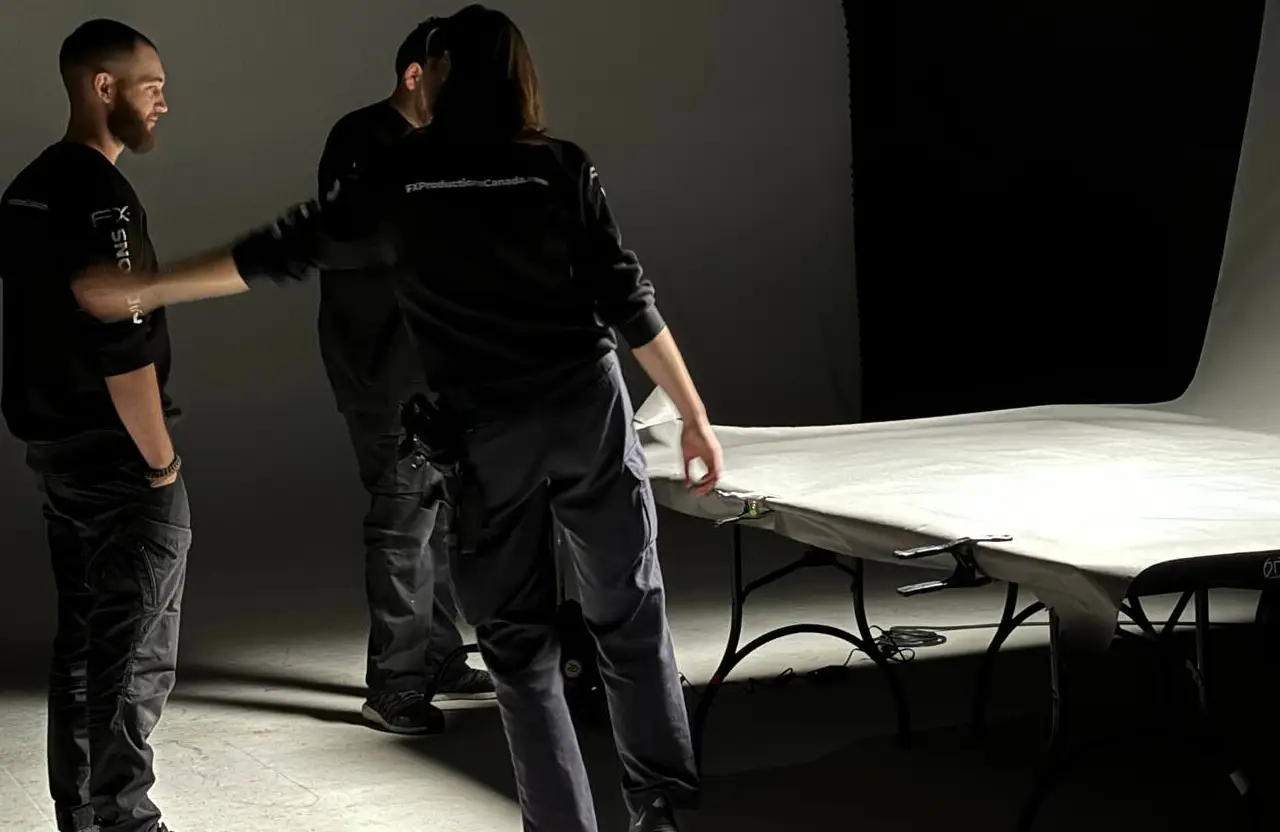
Cinematic videography in 2026 is defined by story-first production, purposeful drone work, hybrid shooting techniques, vertical-format content, expressive colour grading, and AI-assisted editing. FX Production, a trusted cinematic video production company in Toronto, uses all of these techniques to create brand content that connects emotionally and performs across every distribution channel. This post breaks down each trend and what it means for your brand.
What Is Driving the Evolution of Cinematic Videography in 2026?
Cinematic videography continues to evolve rapidly, driven by new technology and a growing audience demand for content that feels immersive and emotionally resonant. According to HubSpot, 89% of consumers say video quality directly impacts their trust in a brand and in 2026, the definition of quality has expanded well beyond sharp resolution to include narrative depth, tonal sophistication, and platform-aware production choices.
For brands working with a cinematic video production company in Toronto, understanding these trends is the first step to briefing content that stands out. FX Production’s cinematic videography team applies all of the following techniques across commercial, corporate, and branded content projects.
Is Story-First Production the Most Important Trend in 2026?
Story-first cinematic videography is the most foundational shift in 2026. Polished visuals alone no longer satisfy audiences who have learned to distinguish between content made for engagement metrics and content made to connect. The most effective brand videos in 2026 are built around emotional arcs, real people, and genuine experiences not product features or promotional messaging.
Scripts and storyboards now centre on what the audience needs to feel, not just what the brand wants to say. Businesses are showcasing real team members and customers rather than constructed scenarios. According to Sprout Social, authenticity and relatability are the traits audiences rate highest in brand content, and story-first production is the technique that delivers both. FX Production’s aerial services and ground production teams are briefed together at the concept stage so every technical decision serves the story rather than competing with it.
How Is Drone Cinematography Being Used Differently in 2026?
Drone footage is now a production staple, but in 2026 it is being used with significantly more narrative purpose than in previous years. Aerial shots are integrated into story structures to enhance drama, reveal scale, communicate transformation, and create visual contrast between ground-level intimacy and aerial perspective.
New drone techniques include indoor shoots using lightweight FPV drones, dynamic motion tracking for high-speed subjects, and layered sequences that combine drone and handheld footage in the same cut. FX Production’s fully licensed aerial services team integrates drone coverage into productions from the pre-production stage forward, ensuring aerial shots are storyboarded alongside ground coverage for a seamless final edit.
What Is the Hybrid Shooting Approach and Why Does It Matter for Brands?
Hybrid shooting blends traditional analogue techniques with modern digital workflows to give productions a distinct, textured visual quality. Film grain adds emotional warmth and a sense of authenticity that fully digital footage often lacks. Digital workflows ensure fast post-production turnaround and consistent high-quality results.
For Toronto brands seeking timeless content that still performs across digital distribution channels, the hybrid approach delivers the best of both visual worlds. FX Production applies this technique selectively based on the brand’s intended tone and audience warm and nostalgic for heritage brands, clean and modern for technology clients. Our colour grading team ensures the analogue and digital elements are graded to a unified visual standard in post-production.
How Should Brands Be Producing Vertical Cinematic Content in 2026?
Vertical video is no longer just a social media format accommodated reluctantly. In 2026, vertical storytelling is produced with the same cinematic discipline as traditional widescreen content. Composition, lighting, pacing, and sound design are all calibrated for the vertical frame and the mobile viewing context.
Brand stories on Instagram Reels and TikTok, cinematic event coverage tailored for mobile sharing, and vertical ads designed for immersive phone viewing all require a production approach that starts vertical at the concept stage rather than cropping widescreen footage in post. According to Forbes, engagement rate is the primary metric marketers track in video, and vertical-native content consistently outperforms cropped widescreen on mobile platforms. FX Production’s cinematic videography team produces vertical content as a distinct production format, not an afterthought.
How Does Colour Grading Function as a Storytelling Tool in 2026?
Colour grading has evolved from a technical correction step into a primary storytelling instrument. In 2026, colour choices are made to guide viewer emotion and reinforce the tone of the narrative, not simply to make footage look polished.
Soft, pastel tones are used for heartfelt and human stories. High-contrast grades support edgy brand content with an assertive visual presence. Warm palettes evoke nostalgia and comfort for heritage and lifestyle brands. FX Production’s colour grading team develops a colour brief at the pre-production stage so the grade is an intentional narrative decision rather than a post-production guess. Every project receives a full professional grade across every shot in the final cut.
How Is AI Changing the Post-Production Workflow in Cinematic Videography?
Artificial intelligence is now an active part of the post-production toolkit in 2026. AI tools accelerate time-consuming tasks including clip sorting, audio syncing, rough cut assembly, and noise reduction, freeing the editing team to focus on the creative and narrative decisions that cannot be automated.
The result is faster turnaround for tight deadlines, more time for creative refinement, and better budget efficiency without compromising quality. FX Production applies AI-assisted tools within our post-production workflow where they genuinely accelerate quality rather than substitute for it. Human creativity and editorial judgment remain the leading force in every project AI handles the repetitive work that previously consumed that time.
How Should Brands Brief a Production Company on Trend-Aligned Content?
Briefing a production company on trend-aligned content starts with identifying which trend serves the brand’s actual communication goal, not just what looks current. Story-first content serves emotional connection goals. Drone work serves scale and spectacle goals. Hybrid techniques serve authenticity and differentiation goals. Vertical content serves mobile-first audience reach goals.
The most effective briefs specify the trend by name, explain the audience and distribution channel, and provide examples of the visual style the brand is drawn to. FX Production’s production team uses this information to build a concept that applies the trend purposefully rather than decoratively. Explore our client portfolio to see examples of trend-aligned productions delivered across different brand contexts and distribution channels.
2026 Cinematic Videography Trends Are an Opportunity for Brands That Move First
The brands that benefit most from cinematic videography trends are the ones that adopt them with clear narrative intent before their competitors do. A trend applied thoughtfully to a genuine brand story produces content that feels both current and authentic. A trend applied decoratively produces content that dates quickly.
FX Production, a trusted cinematic video production company in Toronto, helps brands identify which 2026 trends align with their specific goals and builds content that applies them purposefully. Reach FX Production today to discuss your next cinematic production.
Bring Your Brand Story to Life in 2026
FX Production delivers cinematic videography for brands across Toronto, Ottawa, and Vancouver. Reach FX Production today to discuss how 2026’s leading production trends can be applied to your next project.
Frequently Asked Questions
1. What is cinematic videography and how does it differ from standard video production?
Cinematic videography applies the visual storytelling techniques of professional production to branded and commercial content, including deliberate framing, controlled lighting, intentional colour grading, and narrative-driven editing. The result is content that holds audience attention and builds brand perception. FX Production’s cinematic videography services apply these standards to every project from brief through delivery.
2. Which 2026 cinematic videography trends are most relevant for B2B brands?
B2B brands benefit most from story-first production, which builds credibility and emotional connection with decision-makers, and from AI-assisted post-production, which improves turnaround speed without compromising quality. Hybrid shooting techniques also work well for B2B brands seeking a premium, differentiated visual identity. FX Production’s client portfolio includes B2B productions across corporate, technology, and financial services sectors.
3. How does FX Production integrate drone footage into a production?
FX Production plans drone coverage at the pre-production stage alongside ground-based footage so the aerial and ground elements are storyboarded to complement each other in the final edit. Our aerial services team manages all Transport Canada airspace authorizations, location logistics, and safety protocols as part of the production workflow. Clients do not need to manage this independently.
4. What does a colour grading brief include for a cinematic production?
A colour grading brief from FX Production covers the intended emotional tone of the content, reference images or video examples of the visual style the brand is drawn to, any existing brand colour guidelines that need to be respected, and the distribution channels the final content will be used across. Our colour grading team develops this brief at the pre-production stage so the grade is a planned creative decision, not a post-production guess.
5. How should a brand prepare to brief a production company on trend-aligned content?
Identify which 2026 trend serves your specific communication goal, not just what looks current. Specify the trend, the target audience, the distribution channel, and provide visual references for the style you are drawn to. FX Production’s production team uses these inputs to build a concept that applies the trend purposefully. Contact us through our Toronto videography team to start the briefing process.
Key Takeaways
- Cinematic videography in 2026 is defined by six dominant trends: story-first production, purposeful drone cinematography, hybrid shooting, vertical-format content, expressive colour grading, and AI-assisted editing.
- Story-first production is the most important trend of 2026. Emotional authenticity and real human experiences outperform polished promotional visuals in audience engagement across every distribution channel.
- Drone cinematography is now a production staple, but the trend in 2026 is using aerial footage with specific narrative purpose rather than as a visual flourish.
- Vertical cinematic content must be produced natively for the vertical frame composing, lighting, and pacing for mobile audiences from the concept stage, not cropping widescreen footage in post.
- Colour grading in 2026 is a storytelling decision, not a technical step. The grade should be determined by the emotional tone of the narrative, not by default settings or aesthetic preference alone.
- AI-assisted editing tools accelerate repetitive post-production tasks, freeing the creative team to focus on the narrative and emotional decisions that cannot be automated.