Live event coverage captures an event on video with the planning, crew discipline, and technical quality needed to produce highlight reels, full session recordings, social clips, and interview content from a single engagement. FX Productions Canada delivers live event coverage in Toronto, Ottawa, and Vancouver, with in-house post-production for all deliverables.
What Does Professional Live Event Coverage Actually Involve?
Professional live event coverage is fundamentally a pre-production discipline. The most experienced event coverage teams arrive on set with a complete shot list, a run-of-show schedule cross-referenced against their camera assignments, confirmed venue access times, and a technical setup that has been tested before a single delegate walks in. The event itself is almost the easier part. The preparation before it is what determines whether the coverage captures every planned moment or scrambles to recover from missed shots.
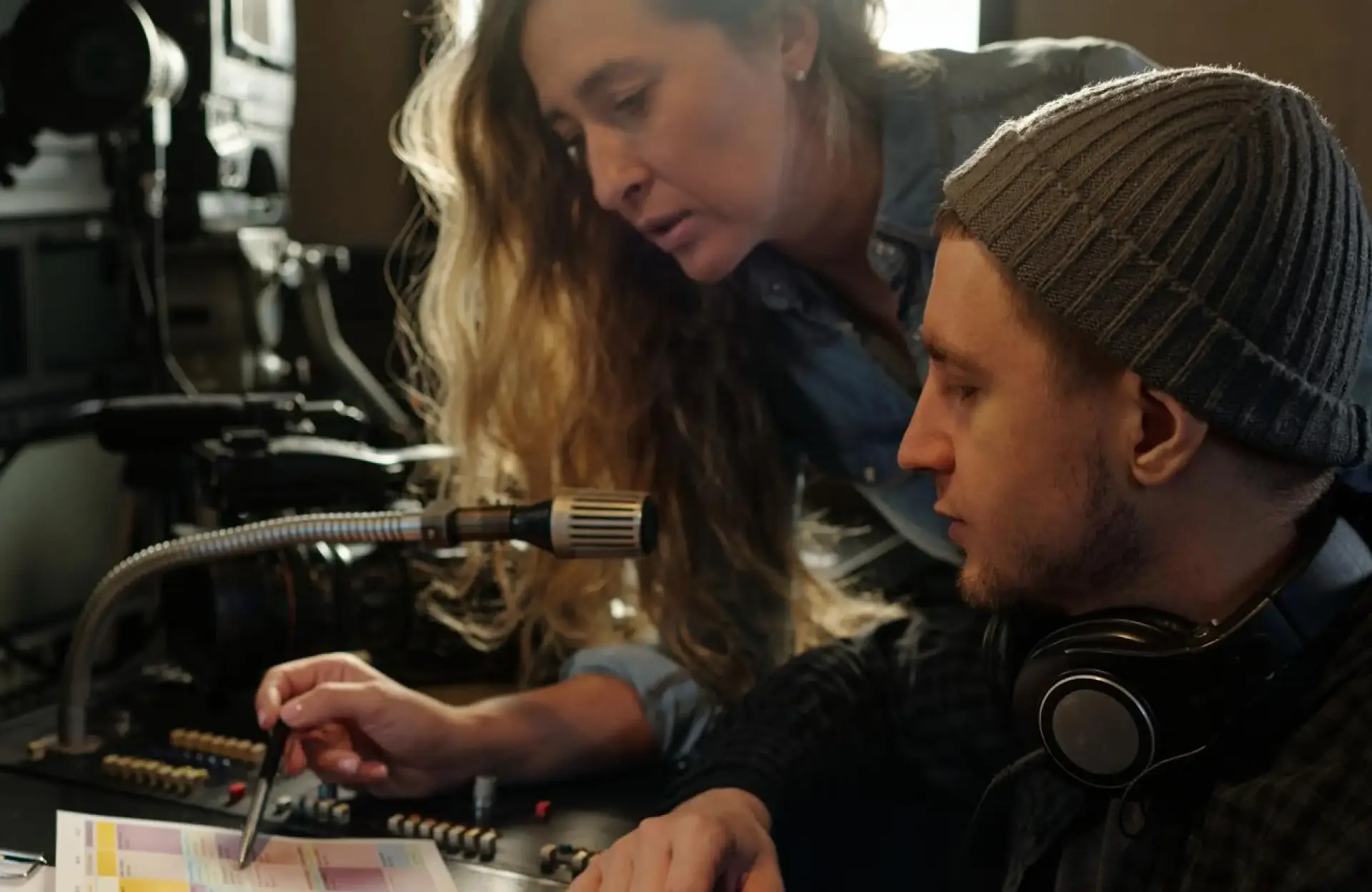
Pre-production for live event coverage covers: a briefing from the event manager on the run-of-show, the key speakers, and the priority moments; a venue site visit or detailed floorplan review to plan camera positions relative to the stage, the lighting rig, and the audience flow; a shot list specifying every camera angle required for each segment; coordination with the venue’s AV team on audio feed access, screen outputs, and cable routing; and a clear brief on the deliverables, including how many versions, what lengths, and what platform specifications are required.
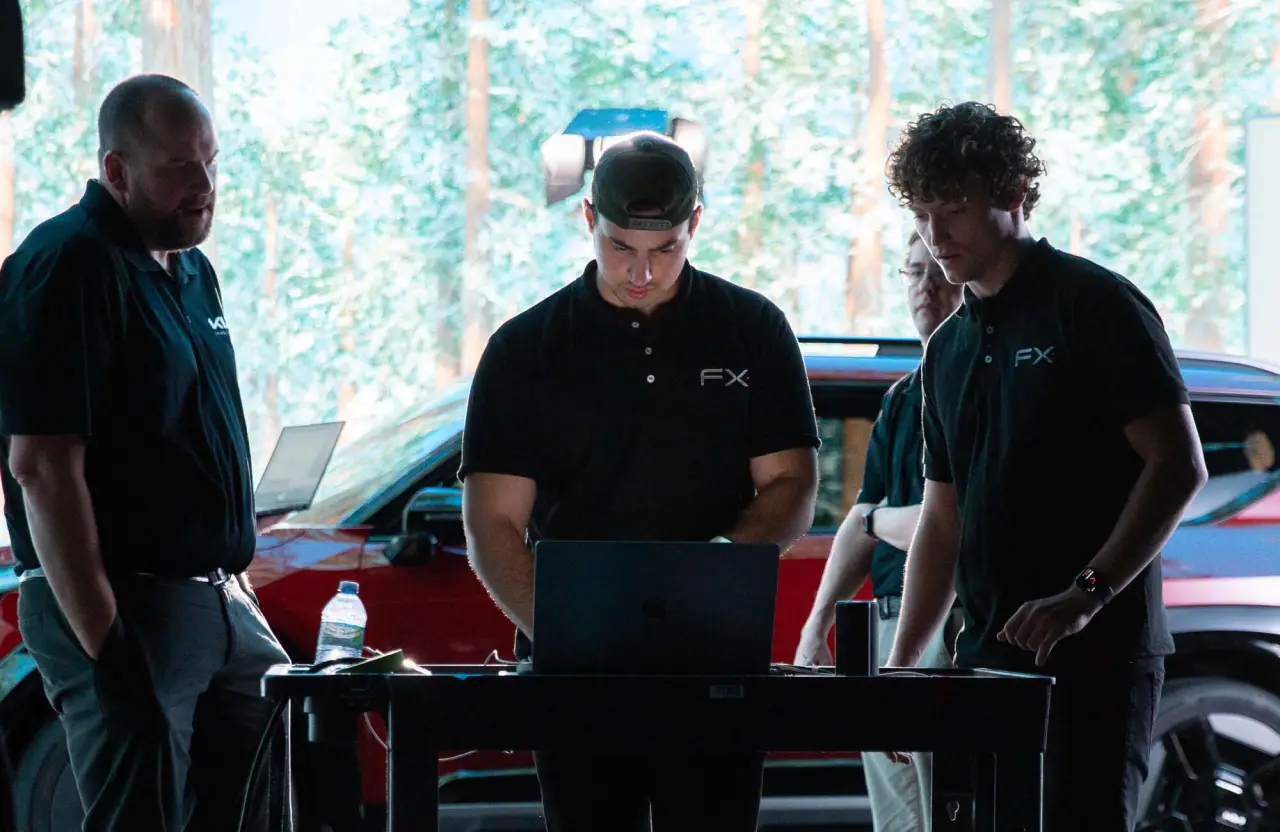
FX Productions Canada coordinates the full pre-production process for every live event coverage engagement, working alongside the event management team and the venue technical staff before the event day. Events held in public spaces may also require municipal permits, so teams should check requirements with the City of Toronto, the City of Ottawa, or the City of Vancouver as applicable. The full-service production workflow applied to commercial video production is the same systematic approach applied to live event coverage. The difference is that on an event day, the discipline of that preparation is tested in real time.
How Do Professional Teams Plan Camera Coverage for a Live Event?
Camera coverage planning for a live event translates the shot list into physical camera positions in the venue, taking into account the event format, the stage layout, the audience configuration, and any lighting or rigging constraints. Cable runs and rigging positions should also follow workplace safety practices, and the Canadian Centre for Occupational Health and Safety publishes general guidance on safe working conditions.
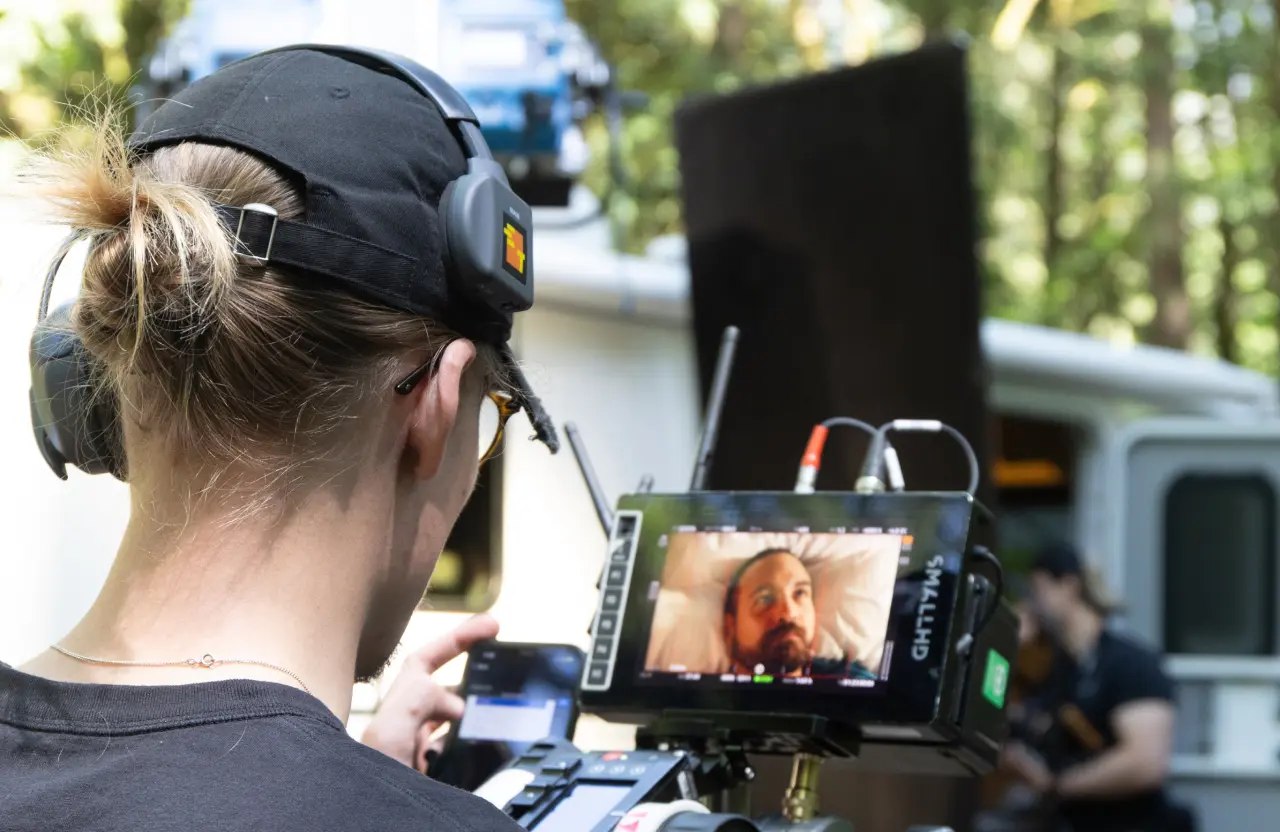
For a standard corporate keynote with a single presenter on a centre stage, the minimum professional configuration is: a wide establishing shot from the back of the room covering the stage and the branded backdrop; a medium shot from slightly off-axis that provides a cleaner framing of the speaker; and a close-up camera positioned to one side of the stage that captures the presenter’s face clearly for cutaways and interview-style moments. Three cameras allow the editor to build a complete keynote recording with natural cuts that hold visual interest across a 30 to 60 minute presentation.
For panel discussions, add one camera per panellist position to ensure that any speaker can be covered cleanly without camera movement that would be visible on the programme cut. For networking and atmosphere coverage, a roving camera operator with a shoulder-mounted or stabilised handheld rig captures candid moments, delegate interactions, and environmental context that the static cameras cannot. FX Productions Canada’s cinematic videography team applies the same intentional, story-driven approach to event coverage as to commercial productions, where every shot is motivated by what the content will need, not by what the camera operator felt like capturing in the moment.
How Is Event Audio Captured for Post-Production Use?
Event audio captured for post-production use requires a different approach from the front-of-house audio mix heard in the room. The in-room mix is tuned for the acoustics of the venue and often includes significant reverb, delay compensation, and EQ choices that sound correct in a large room but read as unnatural and processing-heavy on a close-listen edit.
The most reliable audio capture method for post-production use is a clean, unprocessed direct feed from each speaker’s microphone to a dedicated recorder separate from the front-of-house system. This gives the post-production team a clean signal for each speaker that can be mixed, noise-reduced, and balanced independently without fighting the room processing decisions made by the FOH engineer.
Where a direct feed is not available, a second-best option is a clean feed from the front-of-house console’s direct out or matrix output before the room processing is applied. FX Productions Canada’s sound design team coordinates audio feed access with the venue’s AV team during pre-production for every live event coverage engagement, ensuring that the post-production team receives the cleanest possible audio regardless of the venue’s sound system configuration.
What Deliverables Can Professional Live Event Coverage Produce?
A professionally planned and executed live event coverage engagement can produce a comprehensive set of content deliverables from a single event day, maximising the return on the production investment.
|
Deliverable |
Description |
Typical Use |
|
Event highlight reel |
60-180 seconds of the event’s best moments, music-scored, colour-graded, and brand-consistent |
Social media, internal comms, post-event marketing |
|
Full keynote recordings |
Complete multi-camera recording of each session, edited with clean audio and title cards |
Post-event on-demand access, knowledge library, internal distribution |
|
On-site interview clips |
3-5 minute interviews with speakers and attendees captured on a simple interview setup adjacent to the event |
Thought leadership content, testimonials, social media clips |
|
B-roll and atmosphere package |
Unedited or lightly edited B-roll of the venue, delegates, networking, and branded moments |
Supporting footage for future video productions referencing the event |
|
Social media cuts |
15-30 second vertical and square cuts optimised for Instagram, LinkedIn, and TikTok |
Real-time and post-event social content distribution |
Planning which of these deliverables the brand needs before the event is essential. Each requires different capture decisions: interview clips need a dedicated interview setup area and pre-scheduled interview windows; social cuts need a roving camera capturing social-native moments; full keynote recordings need a clean multi-camera setup with a dedicated audio feed. Contact FX Productions Canada to plan a live event coverage scope that delivers the full range of content your brand needs from a single event production investment.
Plan Your Event Coverage with FX Productions Canada
Your event happens once, and the footage should be ready for every use you have in mind. FX Productions Canada works with your event team before the day to build the shot list, plan camera positions, and coordinate audio, so highlight reels, session recordings, interview clips, and social cuts are all captured from a single event.
Tell us about your event date, venue, and the content you need. We will respond with next steps and set up a call to talk through scope and an estimate.
Frequently Asked Questions
1. What is live event coverage and how is it different from live streaming?
Live event coverage is the capture of event content on video for editing and post-production delivery as a range of finished assets after the event. Live streaming is the real-time broadcast of event content to a remote audience as it happens. Professional live event coverage typically produces higher-quality finished assets than a live stream because the footage can be edited, graded, and mixed in post-production before delivery. Both can be delivered simultaneously from the same event production setup. FX Productions Canada provides both live event coverage and live streaming as part of integrated event production engagements.
2. How many cameras are needed for professional live event coverage?
The minimum professional configuration for a corporate keynote is three cameras: a wide stage shot, a medium speaker shot, and a close-up. Panel discussions add one camera per panellist. A roving camera adds atmosphere and candid coverage. The correct camera count depends on the event format, the stage configuration, and the deliverables required. Below three cameras for a single-speaker keynote, the editor has insufficient coverage to build a clean, visually interesting recording without jump cuts. FX Productions Canada plans camera configuration in pre-production based on the specific event format and deliverable requirements. Contact FX Productions Canada for event-specific camera planning.
3. Why does pre-production matter so much for live event coverage?
Live event coverage has no second takes. Every shot that is missed on the day is gone. Pre-production, including a shot list, run-of-show cross-reference, venue access planning, and audio feed coordination, is what allows a professional coverage team to capture every planned moment rather than reacting to events as they happen. Productions that skip pre-production consistently miss key moments and deliver incomplete coverage. FX Productions Canada conducts a full pre-production process for every live event engagement, coordinating with the event management team and venue technical staff before the event day. Visit the production portfolio for examples of live event coverage work.
4. How should event audio be captured for post-production?
The most reliable method for post-production-quality audio is a clean, unprocessed direct feed from each speaker’s microphone to a dedicated recorder separate from the front-of-house system. This provides the post-production team with an individual, clean signal per speaker that can be mixed and processed independently. Where a direct feed is unavailable, a clean matrix or direct out from the front-of-house console before the room processing is applied is the next best option. FX Productions Canada’s sound design team coordinates audio feed access with the venue AV team during pre-production for every event coverage engagement.
5. What social media content can professional live event coverage produce?
Professional live event coverage produces social-native content when a roving camera operator is planned into the coverage scope alongside the static stage cameras. Typical social deliverables include 15 to 30 second vertical cuts for Instagram Reels and TikTok, square-format clips for LinkedIn, and short interview soundbites from speakers and attendees. Planning the social content deliverables before the event ensures the roving camera operator knows which moments and subjects to prioritise for social capture. FX Productions Canada includes social content planning in every live event coverage brief. Read more about social media video production for businesses.
Key Takeaways
- Professional live event coverage is primarily a pre-production discipline. The preparation before the event day, covering the shot list, run-of-show, venue access, and audio coordination, determines whether coverage captures every planned moment or scrambles to recover from missed shots.
- The minimum professional camera configuration for a corporate keynote is three cameras. Below this, the editor has insufficient coverage to build a clean, visually interesting recording without jump cuts.
- Event audio for post-production should be captured as a clean, unprocessed direct feed from each microphone to a separate recorder, independent of the front-of-house mix.
- A single well-planned live event coverage engagement can produce a highlight reel, full session recordings, interview clips, B-roll, and social content cuts from a single event day.
- Social content deliverables from an event require a planned roving camera operator alongside the static stage cameras. Without planning, social-native moments are missed.
- FX Productions Canada delivers live event coverage with in-house post-production, including colour grading, sound design, and social content cutting, for corporate events across Toronto, Ottawa, and Vancouver.