Canada’s film industry is one of the largest in the world by production volume, with Toronto serving as the country’s busiest production hub. Understanding how the industry is structured, who funds it, and how production companies operate in Toronto helps brands, marketers, and filmmakers connect with the right partners and resources.
How Large Is the Film and Television Industry in Canada?
Canada is consistently ranked among the top film and television production markets globally. The combination of federal tax incentives, provincial funding programs, a skilled bilingual workforce, and diverse filming locations draws both domestic and international productions year-round.
Telefilm Canada, the federal agency responsible for supporting the development and distribution of Canadian film, funds hundreds of projects annually across English and French production. Their mandate covers feature film, documentary, and digital media, with a specific focus on culturally significant Canadian stories.
Toronto operates as the largest production centre in Canada, often called Hollywood North. The city hosts major studio facilities, post-production houses, visual effects studios, and a dense network of experienced crew, equipment suppliers, and location specialists.
Which Government Bodies Fund Film and Television Production in Canada?
Canada’s film and television funding system operates through a combination of federal and provincial bodies. The Canada Media Fund, jointly administered by the federal government and Canadian cable distributors, provides production funding for television and digital content. It prioritises Canadian stories told by Canadian creators for Canadian audiences.
Film production companies in Toronto frequently access provincial programs administered by Ontario Creates when developing projects that qualify under Canadian content criteria. Ontario Creates supports film, television, and interactive digital media produced in the province.
The National Film Board of Canada, established in 1939, remains one of the most recognised publicly funded production bodies in the world. Its mandate focuses on documentaries, animation, and digital works that reflect Canadian identity.
What Makes Toronto a Major Hub for Film Production in Canada?
The Canadian Film Centre in Toronto provides training and development resources for Canadian filmmakers, writers, and producers. Graduates of its programs work throughout Toronto’s production community, contributing to both commercial and independent productions across the city.
Canadian content production at the commercial level in Toronto follows the same craft standards that govern feature film work. Toronto’s diverse neighbourhoods, architectural variety, and year-round filming season make it versatile for productions requiring a range of visual environments.
How Do Production Companies in Toronto Work with Brands and Agencies?
Commercial production in Toronto sits alongside the feature film and television industry as a significant driver of activity. Brands, marketing agencies, and corporate clients work with production companies to create commercials, branded films, corporate videos, and social media content.
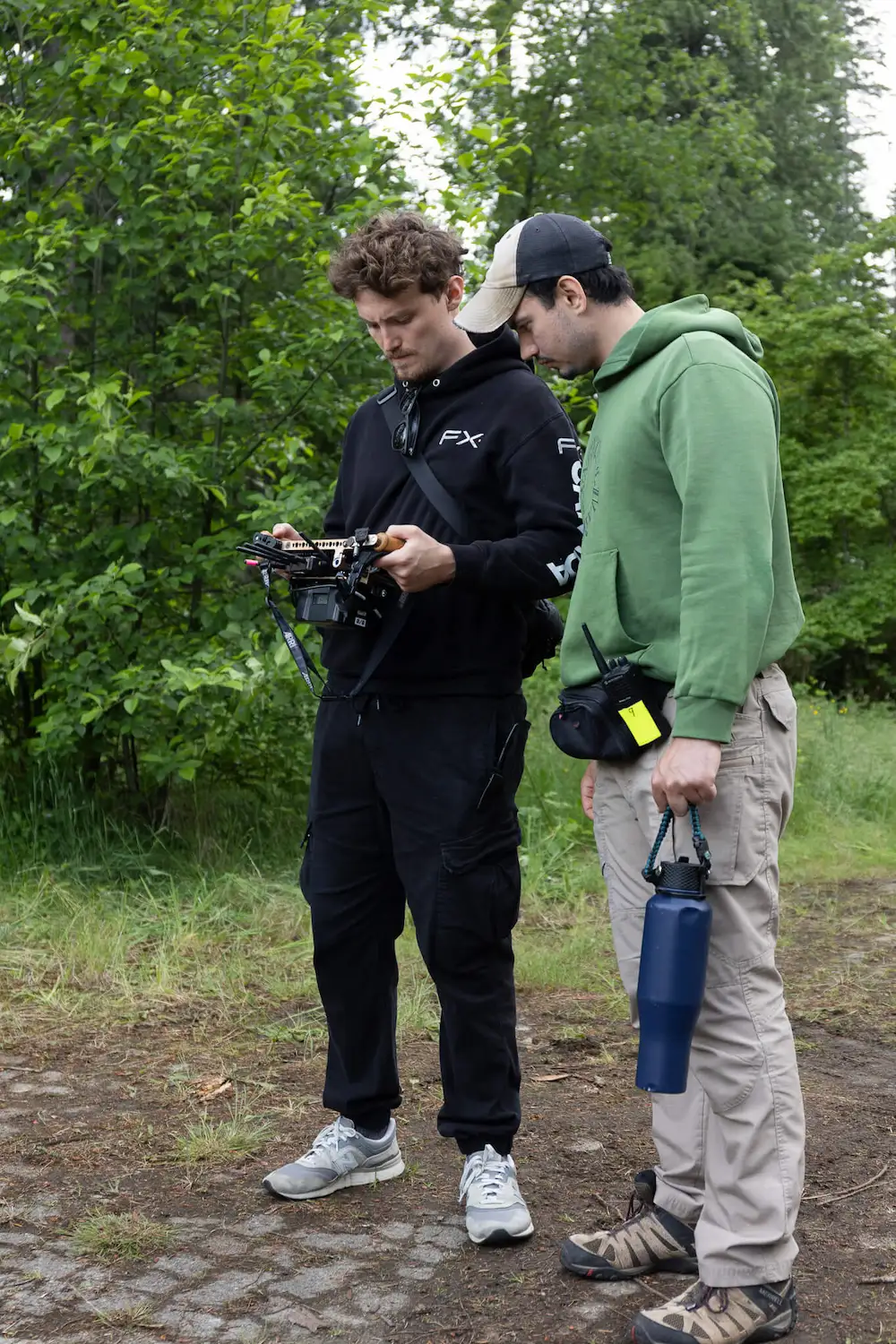
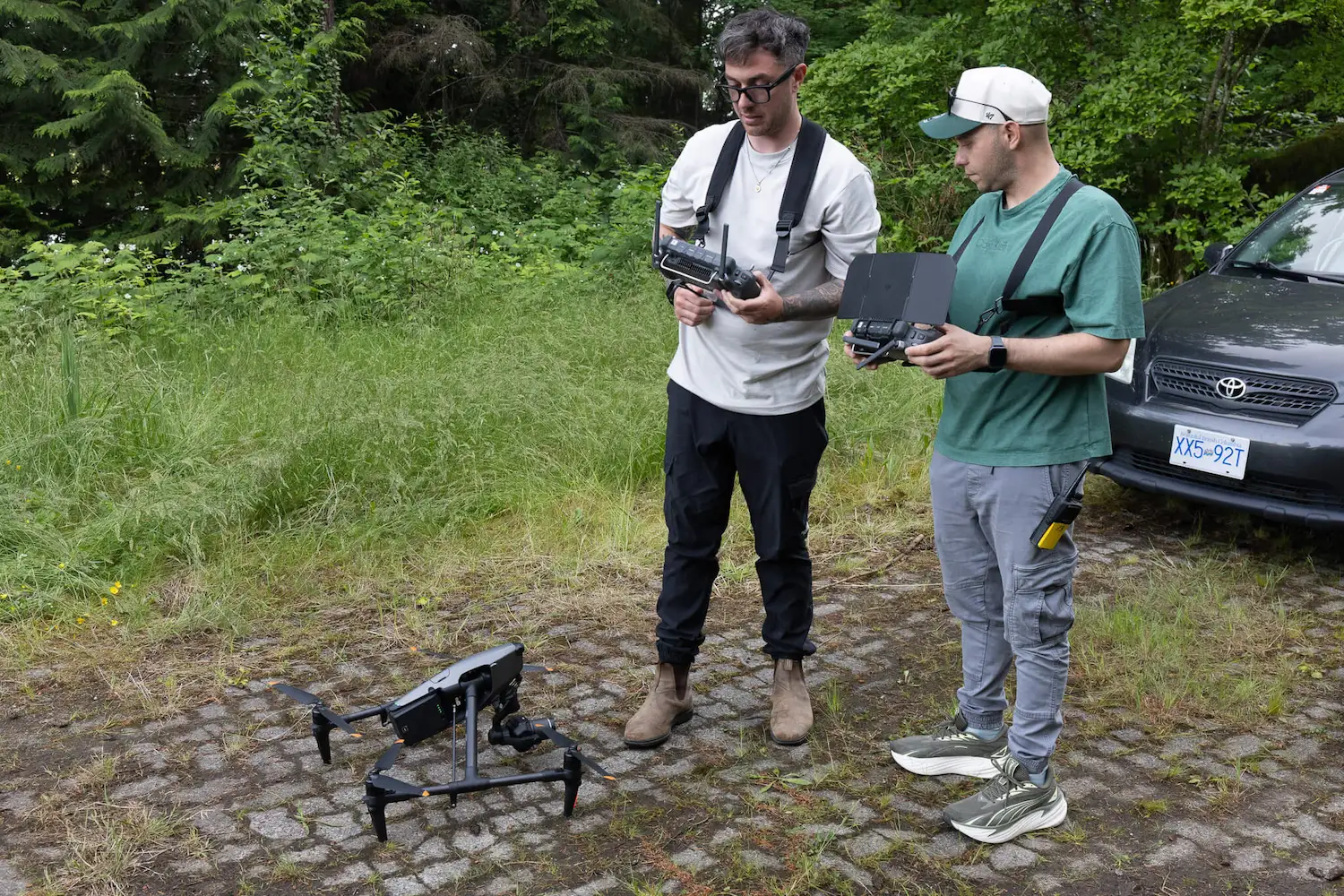
FX Productions Canada operates within Toronto’s commercial and branded content production sector, serving corporate clients across industries with video production, drone coverage, visual effects, and post-production. The team draws on the same technical depth as the broader Toronto production community while applying it to marketing and corporate communication objectives.
Work with Toronto’s Film Production Community Through FX Productions Canada
FX Productions Canada is a Toronto-based full-service production company with deep roots in Canada’s film and commercial production community. Whether you are launching a branded campaign, producing corporate content, or seeking a production partner with Toronto expertise, contact us to discuss your project and receive a production plan aligned with your goals.
Frequently Asked Questions About the Film Industry in Canada
1. What is a Canadian Content certification and why does it matter?
Canadian Content certification is awarded to film and television productions that meet criteria set by the CRTC and various funding bodies, including point systems based on key creative roles held by Canadians. Certification unlocks access to public funding programs and broadcast quotas. Producers working with film companies in Toronto should understand how these rules affect co-production structures and funding eligibility.
2. How do tax incentives work for film production in Toronto?
Ontario offers the Ontario Film and Television Tax Credit and the Ontario Production Services Tax Credit for qualifying productions. Federal programs include the Canadian Film or Video Production Tax Credit and the Film or Video Production Services Tax Credit. A Toronto production company can advise on which credits apply to your specific project type and budget structure.
3. What is the difference between a feature film and a commercial production in Toronto?
Feature film production in Toronto spans development through distribution, typically taking one to several years. Commercial production follows a compressed timeline of weeks to months from brief to delivery. Both use professional crews and technical infrastructure. Cinematic videography techniques from the feature film world are now applied to commercial and branded content production as standard practice.
4. Which Toronto neighbourhoods are most commonly used as film locations?
Toronto’s most frequently used filming locations include the Financial District, the Distillery District, Corktown, and the Waterfront. Outdoor locations require permits from the City of Toronto Film Office. Drone services capture aerial establishing shots of Toronto locations for productions that need to communicate geographic context.
5. How does ACTRA affect commercial and corporate video production in Toronto?
ACTRA, the Alliance of Canadian Cinema, Television and Radio Artists, represents performers in English-language recorded media. Productions hiring ACTRA members must comply with agreements covering rates, working conditions, and usage rights. Corporate video productions should clarify with their production company early whether the project will be ACTRA or non-ACTRA.
6. What post-production services are available in Toronto for film productions?
Toronto’s post-production sector includes colour grading facilities, visual effects studios, sound design and audio mixing houses, and editorial suites. FX Productions Canada provides in-house post-production including colour grading, sound design, and visual effects for commercial and branded content productions. Review our services for a full list of post-production capabilities.
Key Takeaways
- Canada is among the largest film and television production markets globally, with Toronto as its primary hub.
- Federal funding through Telefilm Canada and the Canada Media Fund supports Canadian film, television, and digital content.
- Ontario Creates provides provincial-level funding programs for qualifying Ontario-based productions.
- The Canadian Film Centre trains directors, writers, and producers who work throughout Toronto’s production community.
- Commercial and branded content production in Toronto operates alongside the feature film industry under the same professional standards.
- Tax incentive programs at both federal and provincial levels reduce production costs for qualifying projects.